Bank of Korea raises rates again as inflation stays hot
South Korea’s central bank lifted rates for a second straight meeting to 3%, citing persistent core inflation, firm growth and lingering price pressures in housing and wages.

Dr. Thomas Liptak / Wikimedia Commons (CC BY-SA 4.0)
South Korea’s central bank lifted interest rates for a second meeting in a row on Thursday, extending its push to restrain price growth as underlying inflation remains stubbornly high. The Bank of Korea raised its policy rate by 25 basis points to 3%, the highest level since January 2025, matching market expectations.
Inflation pressure remains elevated
Core inflation rose to 2.6% in July, its highest reading since December 2023, while headline inflation eased slightly to 2.8% after four consecutive monthly gains. The central bank said inflation is expected to stay above its 2% target for a prolonged period, reflecting a backdrop of stronger activity and continuing cost pressures.
The Bank of Korea also pointed to upside risks from global oil prices, exchange rates, domestic demand and the spread of wage increases. Those factors leave the inflation outlook uncertain even as the latest monthly data showed some easing in the overall consumer price index.
Growth and housing keep policy tight
The economy expanded 3.7% in the second quarter, a pace that exceeded expectations and was led by exports. The central bank said that both export demand and domestic demand are likely to stay firm, helped by spillover effects from the semiconductor industry.
That stronger growth gives policymakers more room to keep tightening if needed, but it also complicates the inflation fight. In its previous meeting, the Bank of Korea said it needed to maintain a policy stance consistent with further rate increases, as price pressures remained elevated.
Housing prices have also been a concern, especially in Seoul and nearby areas, where they have continued to rise. The central bank has linked those gains to broader inflation risks, alongside the still-firm labour market and the prospect of stronger wage growth.
For markets, the move reinforces the view that South Korea’s central bank is still prioritising inflation control over near-term support for borrowing conditions. With rates now at 3%, the BOK is signalling that policy may stay restrictive while it assesses how energy costs, the won and domestic demand evolve.
This article is not investment advice and recommends no asset, level or direction; a single session's move is not evidence of a trend. For background see Stocks, Bear Market, BIST 100, and for terms the finance glossary.
Frequently asked questions
What did the Bank of Korea do?
It raised its policy rate by 25 basis points to 3% for a second straight meeting.
Why did the central bank act now?
Core inflation remained elevated, the economy grew faster than expected, and price pressures were still building in housing and wages.
What does the Bank of Korea expect next?
It expects inflation to stay above its 2% target for a considerable time as several risks continue to affect the outlook.
Sources
Related News

Russia economy strains deepen as war spending distorts growth
Russia’s wartime economy is still expanding, but widening deficits, slower non-military activity and higher borrowing costs are exposing growing pressure as Ukraine’s attacks hit energy infrastructure.
Salesforce jumps 12% after AI gains lift results
Salesforce reported stronger-than-expected quarterly results and raised its outlook, helped by revenue growth and a large investment gain tied to Anthropic.
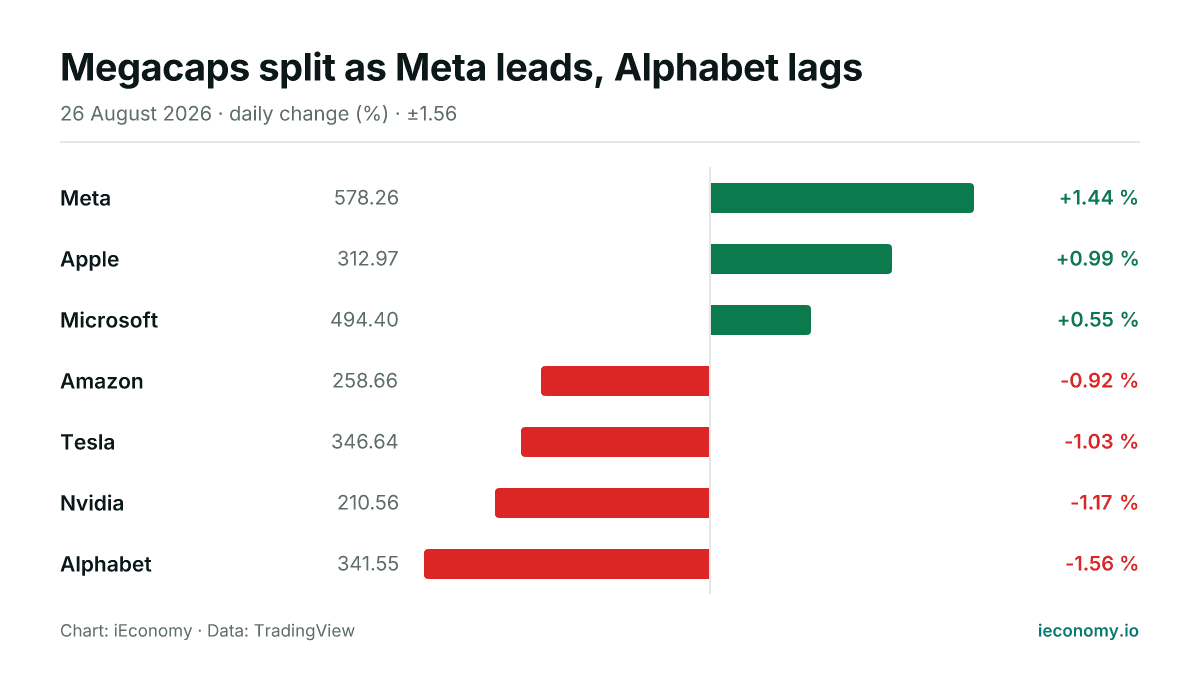
Megacaps split as Meta leads, Alphabet lags
US megacaps traded mixed on Wednesday, with Meta, Apple and Microsoft higher while Amazon, Tesla, Nvidia and Alphabet slipped. The day’s moves were contained, but dispersion widened across the group.

Treasury yields jump as oil tops $100 and claims fall
Longer-dated U.S. yields climbed to their highest levels since early 2025 after Brent crude crossed $100 a barrel and weekly unemployment claims dropped below forecasts.

Fed's Paulson Backs Current Rate Level
Philadelphia Fed President Anna Paulson says policy is 'mildly restrictive' and sufficient to guide inflation toward target, but remains open to adjustment if progress stalls.

Treasury market challenges Fed inflation stance, Gundlach says
Jeffrey Gundlach said Treasury yields show investors doubt the Fed will push hard enough to reach 2% inflation, after the central bank left rates unchanged.