The European Central Bank renews strategy and inflation target
The European Central Bank renews strategy and inflation target. For the first time in 18 years, the ECB is changing its strategy.
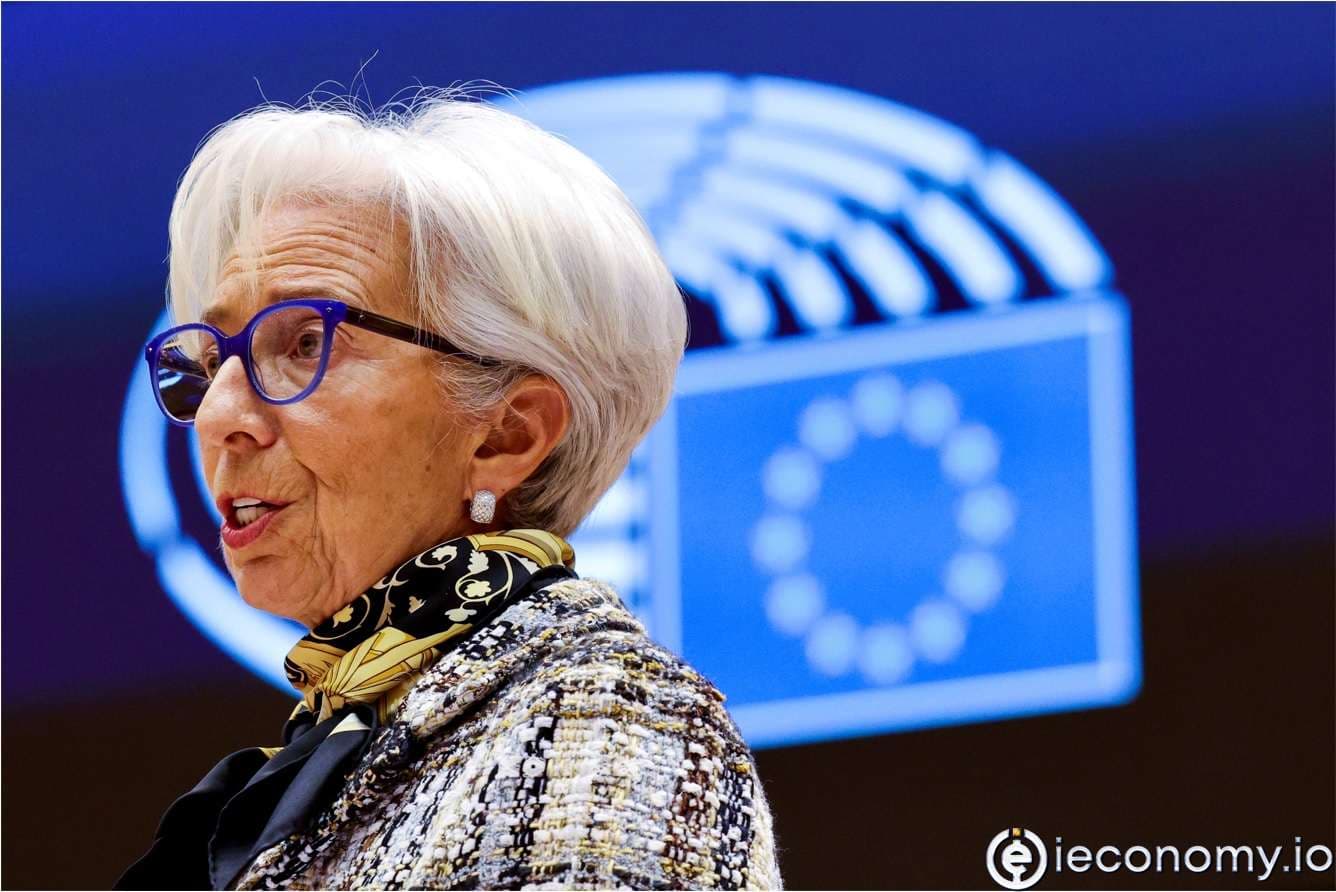
The European Central Bank renews strategy and inflation target The European Central Bank has completely overhauled its monetary policy strategy and intends to get involved in monetary policy in the fight against climate change in the future.
"The new strategy is a strong foundation that will guide us in monetary policy in the coming years," said Central Bank President Christine Lagarde.
The core of the most comprehensive revision of the monetary policy procedure to date is a new inflation target that allows the monetary authorities a little more flexibility.
The euro watchdogs are now aiming to increase consumer prices in the euro area by two percent in the medium term. This is a slight increase in the inflation target, which had previously been below, but close to, two percent.
However, this formulation was discredited because, from the point of view of many experts, it suggests that the ECB wants to fight inflation that is too high rather than too low.
In the past few years, the central bank has almost exclusively been confronted with too weak growth and too low inflation rates in the 19 countries of the euro zone.
It was only the gradual subsidence of the pandemic and the sharp rise in prices - for raw materials such as oil, for example - that pushed the inflation rate in the euro area up to 1.9 percent in June.
The ECB has missed its previous target since spring 2013. "We believe that those two percent are clearer and easier to communicate," said 's bond purchases for their financing due to the crisis, the Governing Council is lowering its long-term ambitions to limit inflation," he criticized.
The economist Volker Wieland misses, among other things, an analysis of whether the loose monetary policy played a role in the build-up of financial stability risks before the financial crisis.
Related News

Nasdaq week flat as oil jumps and yields rise
Oil prices climbed back above $90 as Middle East tensions deepened, adding to Fed inflation worries. Strong Nasdaq-100 earnings were not enough to lift the index.

Jobless claims edge up as labor market stays tight
Weekly U.S. jobless claims rose slightly to 206,000, staying near recent lows and underscoring a labor market that remains broadly stable ahead of the next inflation reading.
ADP Private Payrolls Slow to 38,000 in August
ADP said U.S. private employers added 38,000 jobs in August, below expectations and the weakest reading since January, with gains concentrated in services.

Additional Indicator Statement from Erdoğan
Making a statement after the cabinet meeting, President Recep Tayyip Erdoğan stated that they will increase the additional indicators
What Strategy Will Bill Gates Apply in a Possible Outbreak?
What strategy will Bill Gates implement in a possible outbreak? Bill Gates, the co-founder of Microsoft, announced his giant plans.

Nestlé is revising its nutrition and health strategy
Nestlé is revising its nutrition and health strategy. Nestlé owns well-known brands such as Kitkat, Maggi and Nescafé.