Crude oil jumps as Gulf tensions keep Hormuz closed
Oil prices climbed sharply as U.S.-Iran hostilities escalated and expectations faded for a quick reopening of the Strait of Hormuz, adding to renewed inflation worries.
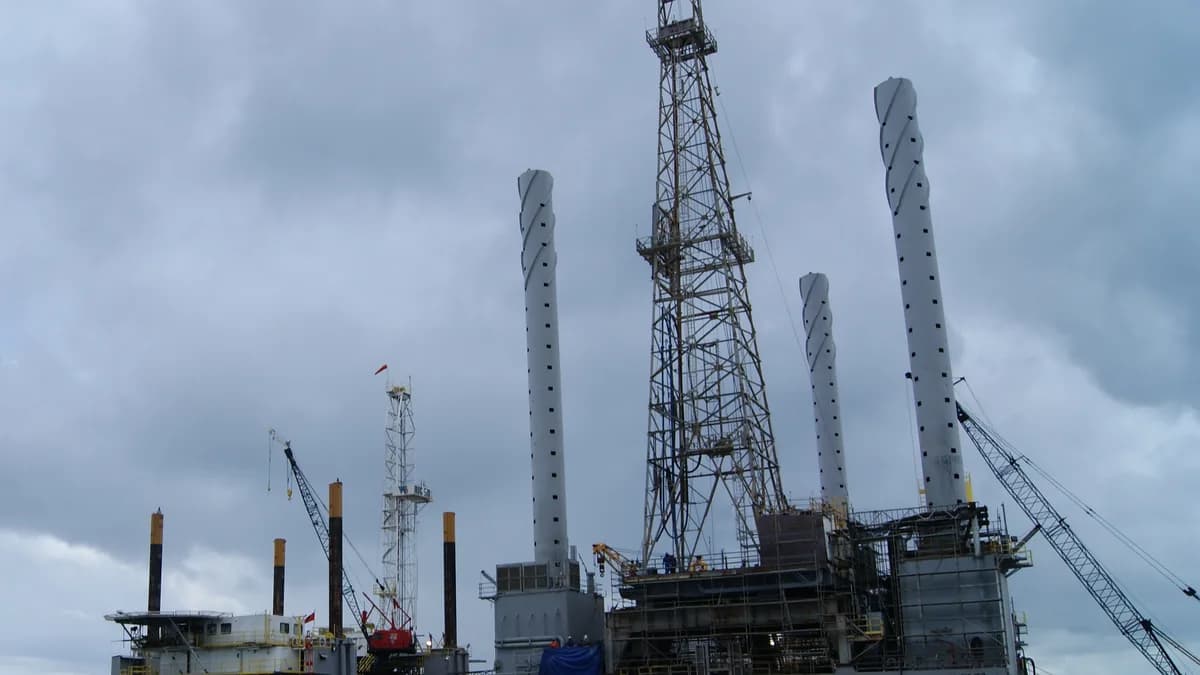
Aneil Lutchman / Wikimedia Commons (cc-by-sa-2.0)
Crude prices advanced sharply on Wednesday as the conflict between the United States and Iran deepened and traders priced in a longer disruption around the Strait of Hormuz. The market moved higher on fading hopes that the key shipping lane would reopen quickly, keeping supply risk at the center of trading. The latest jump also fed fresh concern that higher energy costs could spill into inflation.
WTI crude for October delivery was last trading up $2.98, or 3.20%, at $96.01 a barrel. That move came after several days of escalating military and political pressure in the region. The rally reflected not only the immediate risk to shipments, but also the possibility that the disruption could persist long enough to affect broader energy pricing.
U.S. Energy Secretary Chris Wright said in a Sunday interview with ABC News that Washington may not be able to reach an agreement with Iran on its nuclear program. On the same day, Mohsen Rezaei, secretary of Iran’s Supreme National Security Council, announced plans for a maritime exclusion zone beyond the Strait of Hormuz. The statement pointed to a widening of Iran’s effort to control traffic around one of the world’s most important oil chokepoints.
Iran’s Islamic Revolutionary Guards Corps later said the restricted area would stretch from Chabahar on Iran’s southeastern coast into parts of the Gulf of Oman and the Arabian Sea. The IRGC said the exact coordinates would be released later and warned vessels crossing the zone could face sanctions. That added a new layer of uncertainty for tankers, insurers and buyers already watching the Strait closely.
Strait of Hormuz risks shake energy markets
The latest moves came after U.S. forces attacked three Iranian oil tankers on September 5, followed by continued strikes and counterstrikes between the two sides. Late Tuesday, the U.S. military said it had destroyed five Iranian crude carriers after accusing Iran of firing ballistic missiles at a U.S. Navy warship. The sequence of events reinforced concerns that the confrontation is moving beyond rhetoric and into direct interference with energy transport.
For oil markets, the immediate issue is less about demand and more about whether supply can move safely through the region. The Strait of Hormuz is a critical route for crude exports from the Gulf, so any restriction can quickly affect global pricing. With no clear sign of de-escalation, traders are treating the risk as an inflationary shock rather than a brief geopolitical headline.
What traders are watching next
Market participants are now focused on whether the exclusion zone is enforced and whether shipping activity is further constrained near the Gulf of Oman and Arabian Sea. The size and duration of any disruption will matter more than the initial announcement, because persistent delays or rerouting can tighten physical supply. That is why the reaction in crude has been strong even before any confirmed long-term closure beyond the Strait itself.
The situation also leaves energy markets sensitive to any new military action or diplomatic signal. If the standoff continues, fuel costs, freight rates and broader inflation expectations could stay elevated. For now, the main driver is the risk that the region’s most important oil corridor remains unstable.
This article is not investment advice and recommends no asset, level or direction; a single session's move is not evidence of a trend. For background see Markets, Bear Market, BIST 100, and for terms the finance glossary.
Frequently asked questions
Why did oil prices rise?
Prices climbed because hostilities between the U.S. and Iran intensified and traders saw less chance of the Strait of Hormuz reopening soon.
What was WTI crude trading at?
WTI crude for October delivery was last up $2.98, or 3.20%, at $96.01 a barrel.
Why is the Strait of Hormuz important?
It is a crucial shipping route for crude from the Gulf, so any disruption can quickly affect global oil prices.
Sources
Related News

Crude oil eases as U.S.-Iran tension keeps market wary
Oil prices slipped after a sharp jump a day earlier, even as Washington said no talks with Tehran were planned and kept pressure on Iran through economic measures.
Crude Oil Rises as Gulf Tensions Keep Traders On Edge
Oil prices climbed after fading hopes for a quick easing in U.S.-Iran tensions, as attacks around the Strait of Hormuz raised fresh worries about supply flows.

Crude Oil Rises as U.S.-Iran Tensions Shake Markets
Oil futures extended a two-day advance as fresh U.S. strikes on Iran and Tehran’s retaliation kept traders focused on supply risks tied to the Strait of Hormuz.
Crude Oil Rallies as Hormuz Reopening Stalls
Oil prices climbed as the U.S. and Iran remained at odds over compensation demands tied to recent war damage, clouding hopes for a quick reopening of the Strait of Hormuz.

Oil Steadies After Three-Day Rally on Strait Fears
Oil prices were little changed after a sharp three-day rise, as traders weighed renewed U.S.-Iran tensions around the Strait of Hormuz against signs that crude shipments were still moving.
Oil Prices Rise as Strikes Stir Strait of Hormuz Risk
Crude futures advanced after fresh U.S.-Iran attacks and Tehran’s warning of a new restricted zone near the Strait of Hormuz heightened concern over Middle East supply flows.