Analysis: Gold's Rally Against Real Yields Tests History
Bullion has climbed even as real interest rates stayed elevated, challenging a correlation that has long anchored gold price models.

Ibex73 / Wikimedia Commons (CC BY 4.0)
Gold's continued strength this year has puzzled many traditional pricing models, which typically expect the metal to struggle when real, inflation-adjusted interest rates remain elevated, since higher real yields raise the opportunity cost of holding a non-yielding asset like bullion.
Historically, gold prices have moved inversely with real yields on inflation-protected Treasury securities, a relationship that held reasonably well for much of the past two decades, according to research reviewed by the desk.
Central bank buying offers one explanation
Analysts point to sustained central bank purchasing, led by several large emerging-market reserve managers diversifying away from a narrow set of currencies, as a structural source of demand that has partially decoupled gold from its traditional real-yield relationship.
Geopolitical risk hedging has also played a role, with desk strategists noting that investors appear willing to pay a premium for gold's safe-haven characteristics during periods of heightened uncertainty, regardless of where real yields sit at any given moment.
The desk's takeaway is that while the real-yield framework remains a useful reference point, it should no longer be treated as a standalone predictive model, given how much structural demand factors now appear to influence the metal's price behavior.
Related News

Analysis: What a Steepening Yield Curve Is Telling Investors
A months-long shift in the shape of the Treasury curve has strategists debating its implications for growth and risk assets.

Analysis: Is the Soft-Landing Narrative Still Intact?
Mixed economic signals over the past month have strategists revisiting whether the US economy can avoid recession.
Analysis: Sector Rotation Tilts Toward Value as Growth Trade Cools
A multi-week shift in market leadership has strategists debating whether cyclical and value stocks can sustain their outperformance.
Analysis: Credit Spreads Flash a Calm Signal Despite Growth Worries
Corporate bond spreads remain historically tight even as equity investors debate the odds of an economic slowdown.
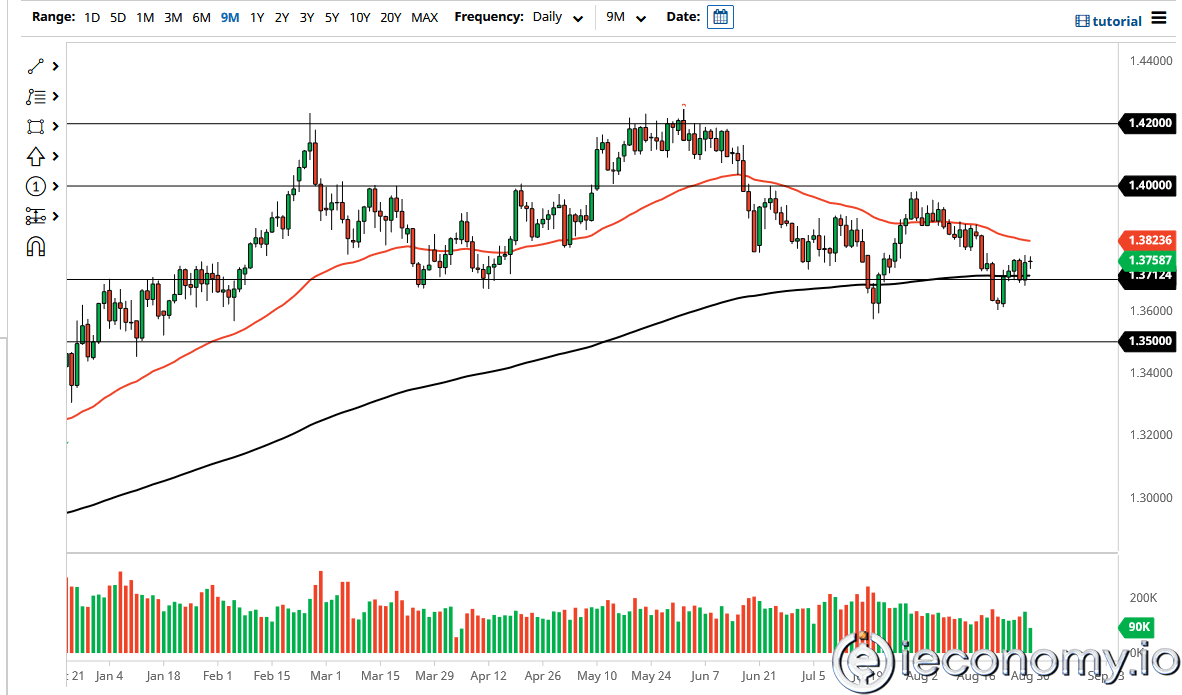
Forex Signal For GBP/USD: Breakout From Reverse C&H Pattern Signals.
Forex Signal For GBP/USD: Breakout From Reverse C&H Pattern Signals.Forex Signal For GBP/USD: Breakout From Reverse C&H Pattern Signals.
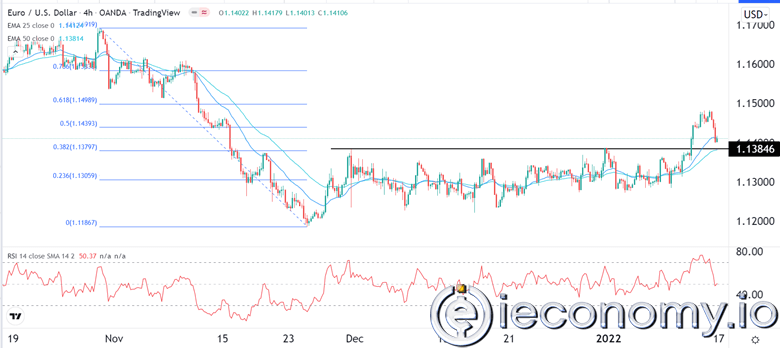
Forex Signal For EUR/USD: Both the Breakout and the Retest Pattern Establishment Point.
Forex Signal For EUR/USD: Both the Breakout and the Retest Pattern Establishment Point.