Bitcoin (BTC) Explained by Cryptanalysis Platform Glassnode
Glassnode stated that short-term Bitcoin (BTC) investors have started to save. Bitcoin (BTC), the cryptocurrency leader

stated that short-term Bitcoin (BTC) investors have started to save.
Bitcoin (BTC), the cryptocurrency leader, which fell as low as $17,600 at the beginning of the summer, started to rise in July. BTC, which exceeded the $25,000 level over the weekend, could not maintain this level and continued to be traded at $23,964 at the time of writing, according to CoinGecko data. On-chain analytics firm Glassnode reported that for the first time in more than two years, short-term Bitcoin investors (STH) have become more active than long-term Bitcoin investors (LTH). In the report, it was noted that the capitulation in the cryptocurrency market was completed with the transition of short-term Bitcoin investors to accumulation, signaling that the market has entered a months-long accumulation period. According to Glassnode, short-term BTC investors have bought 300,000 Bitcoin from the lows since the collapse in May. "In the wave of selling that began in May and continued into June, short-term Bitcoin investors bought at or below $20,000." After the Terra collapse in May, TerraUSD (UST) and LUNA prices fell to cents, while Bitcoin and other cryptocurrencies fell sharply. In the published analysis, short-term investors were characterized as wallets holding BTC for 154 days or less, while long-term investors were considered as wallets holding BTC for 155 days or more. The investment information, comments and recommendations in the article are not investment advice. Investment advisory services are provided individually, taking into account the risk and return preferences of individuals. The content contained herein is in no way directive and the recommendations are general in nature. These recommendations may not be suitable for your financial situation and risk and return preferences. Therefore, making an investment decision based solely on the information contained herein may not produce results in accordance with your expectations.Related News

Candlestick Patterns: Chart Formations and What They Mean
Single, two and three-candle patterns — doji, hammer, bullish engulfing, morning star — with the structure of each, the trend it is looked for in, and an original diagram for every one.

Stock Market Hours and Holidays: NYSE and Nasdaq Guide
A clear reference to regular U.S. stock market hours, pre-market and after-hours trading, early closes, holiday closures, and how bond-market holidays differ.

How to Cash In Savings Bonds: Electronic and Paper
Learn how to redeem U.S. savings bonds through TreasuryDirect or a bank, when penalties apply, how partial redemptions work, and what to do with inherited or lost bonds.
What Is an ETF? How Funds Trade and Track Value
An ETF is a fund that trades on an exchange like a stock, but its share price is kept close to underlying value through creation and redemption. Learn how it works and where the risks sit.

What is a Foreign Currency? Which Factors Determine the Exchange Rate?
What is a foreign currency? Which factors determine the exchange rate? This week, we'll cover what a foerign currency is with contributions of Investing.com.
What is the Canadian Currency? TL Value of Canadian Dollar…
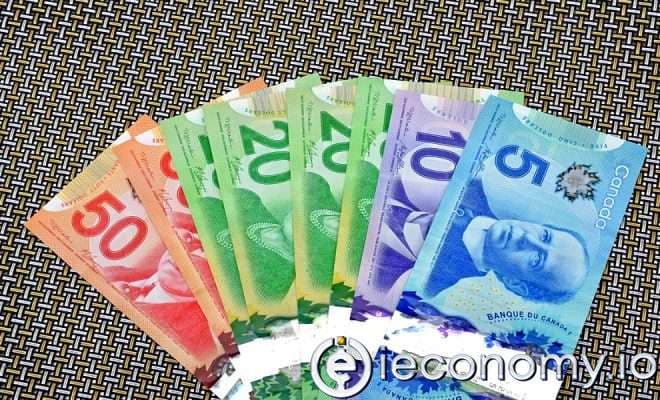
The Canadian dollar is the currency of Canada. The sub-unit of the Canadian dollar is referred to as 'cents' or cents. 1 Canadian dollar is 100 cents.