What is Bitcoin?
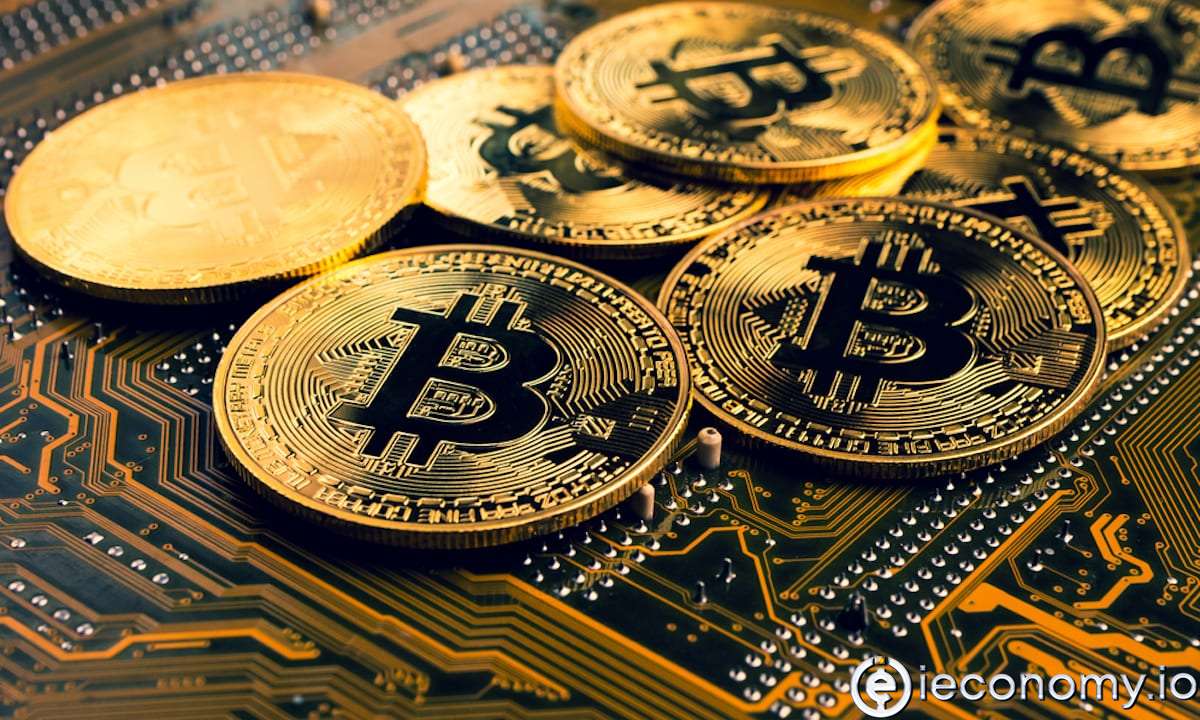
Bitcoin is a decentralized digital currency that you can buy, sell and exchange directly without an intermediary such as a bank. Bitcoin...
Why bitcoin?
Bitcoin can be used to book hotels on Expedia, shop for furniture on Overstock and purchase Xbox games. So in general, Bitcoins can be used to buy goods anonymously. In addition, international payments are easy and inexpensive, since bitcoins are not linked to any country. Since there is no credit card fee, it is also popular with small businesses. Some people buy bitcoins as investments and hope its value will rise.How does Bitcoin work?
Each Bitcoin is basically a computer file stored in a 'digital wallet' app on a smartphone or computer. People can send Bitcoin (or part of a Bitcoin) to your digital wallet and you can send Bitcoin to others. Each transaction is saved on a public list called blockchain. This makes it possible to track the history of Bitcoins to prevent people from spending coins they don't own, creating copies, or undoing transactions.Blockchain:
Blockchain is a shared, immutable ledger that streamlines the process of recording transactions and tracking assets on a business network. It can be a tangible asset (house, car, cash, land) or intangible (intellectual property, patents, copyrights, branding). Almost anything valuable can be tracked and traded on a blockchain network, which reduces risk and reduces costs for everyone involved.Blockchain is important because:
Blockchain is an instant shared and fully transparent network stored in an immutable ledger that can only be accessed by authorized network members. A blockchain network can track orders, payments, accounts, production, and much more. And since members share a single view of the truth, they can follow all the details of a transactions.How Blockchain Works:
Each time a transaction occurs, transactions are saved as data "blocks". These transactions indicate the movement of an asset that may be material (a product) or intangible. The data block can record the information you choose: who, what, when, where, how much... Each block is connected to the blocks before and after it. These blocks create a data chain when an entity is moving from place to place or when ownership is changing hands. Blocks confirm the exact time and order of operations and blocks are securely linked together to prevent any block from being replaced or a block from being added between two existing blocks. Transactions are blocked together with an irreversible chain and form a blockchain. Each additional block strengthens the verification of the previous block and therefore the entire blockchain. This eliminates the possibility of tampering with by a malicious actor and creates a ledger of transactions that you and other network members can trust. Blockchain is not centralized, which means that it is not controlled by any organization. "It's like a Google Doc that anyone can work on," says Buchi Okoro, CEO and co-founder of Quidax, the African cryptocurrency exchange company. "No one owns it, but anyone with a connection can contribute to it. And as different people update, so does your copy." While the idea that anyone can edit blockchain may seem risky, this is actually what makes Bitcoin reliable and secure. In order to add a trading block to the Bitcoin blockchain, it must be verified by the majority of all Bitcoin owners, and the unique codes used to recognize users' wallets and transactions must comply with the correct encryption pattern. These codes are long, random numbers, which makes it incredibly difficult to generate them fraudulently. In fact, according to Bryan Lotti of Crypto Aquarium, a fraud who guesses the key code of your Bitcoin wallet has roughly the same odds as someone who has won the Powerball lottery nine times in a row. This level of statistical randomness blockchain verification codes required for each transaction greatly reduces the risk of fraudulent Bitcoin transactions.How Bitcoin Mining Works
Bitcoin mining is the process of adding new transactions to the Bitcoin blockchain. People who choose to mine Bitcoin use a process called proof of work by distributing computers in a race to solve mathematical puzzles that verify transactions. To convince miners to continue competing to solve puzzles and support the general system, the Bitcoin code rewards miners with new Bitcoins. "This is how new coins are created," Okoro says. In the early days, it was possible for the average person to mine Bitcoin, but this is no longer the case. The Bitcoin code is written to make solving their puzzles even more difficult over time and to require more and more sources of computing. Today, bitcoin mining requires powerful computers and access to large amounts of cheap electricity. Bitcoin mining also pays less than before, making it even more difficult to compensate for rising computing and electricity costs. "In 2009, when this technology first came out, every time you obtained a stamp, you would get a much larger amount of Bitcoin than you do today," says Flori Marquez, co-founder of from a broker like Robinhood. No matter where you buy your Bitcoin, you'll need a digital wallet to store it. It's called a hot wallet or a cold wallet. The hot wallet (also called an online wallet) is stored by an exchange or provider in the cloud. Online wallet providers include Exodus, Electrum and Mycelium. A cold wallet (or mobile wallet) is an offline device used to store Bitcoin and is not connected to the Internet. Some mobile wallet options include Trezor and Ledger.Continue in the iEconomy Academy: Treasury securities, Tokens and coins. Terms used in this lesson: Cryptocurrency Exchange, Cryptocurrency.
Frequently asked questions
What is Bitcoin in simple terms?
Bitcoin is a decentralized digital currency that allows people to buy, sell, and exchange value directly with each other without needing a central authority like a bank. It operates on a peer-to-peer network using cryptographic proof to secure transactions.
Why is Bitcoin considered valuable?
Bitcoin's value is derived from its limited supply of 21 million coins and the collective agreement among its users that it holds value, similar to commodities like gold. Its decentralized nature and potential as a hedge against inflation also contribute to its perceived worth.
How can Bitcoin be used for purchases?
Bitcoin can be used to buy a variety of goods and services, such as booking travel or shopping online from merchants that accept it. Transactions can offer a degree of anonymity and are often efficient for international payments due to lower fees compared to traditional systems.
What does it mean that Bitcoin is 'decentralized'?
Bitcoin is decentralized because it operates on a network of computers without a single controlling entity like a government or bank. This structure allows transactions to be verified collectively by the network, reducing reliance on intermediaries and central points of failure.
iEconomy Academy
This article is a lesson in: Beyond stocks · Lesson 3/5
Related News
What Is Compound Interest? Why Starting Early Can Matter More Than the Rate
Compound interest is when your returns start earning returns of their own. Starting early can beat a higher rate — we show the exact math with a worked example.

Candlestick Patterns: Chart Formations and What They Mean
Single, two and three-candle patterns — doji, hammer, bullish engulfing, morning star — with the structure of each, the trend it is looked for in, and an original diagram for every one.

Stock Market Hours and Holidays: NYSE and Nasdaq Guide
A clear reference to regular U.S. stock market hours, pre-market and after-hours trading, early closes, holiday closures, and how bond-market holidays differ.
How to Buy Virtual Land in Metaverse - 1
How to Buy Virtual Land in Metaverse. Investing in virtual land may have sounded silly a few years ago. Today, the situation is different.
How to do technical analysis of gram gold?
Technical analysis is one of the topics that every prospective investor who wants to invest in the stock market or Forex must know.

What is the W Formation, What does it mean, How does it work?
What is a W Pattern and What Does It Mean? The W pattern is a type of market analysis method. The W pattern shows falling trends...