FinCEN links $13B in crypto scams to overseas centers
The US Treasury’s FinCEN said most of the $12.7 billion in suspected crypto scam transactions it analyzed came from overseas scam centers in Southeast Asia.

Jorge Franganillo / Wikimedia Commons (CC BY 2.0)
The US Treasury’s Financial Crimes Enforcement Network has linked a large share of suspected digital asset fraud to criminal operations outside the United States, with Southeast Asia emerging as the main hub. In a report released Thursday, the agency said the transactions were tied to scam compounds that targeted American residents through online deception.
What FinCEN found
FinCEN said its analysis covered more than 33,000 reports filed between September 2023 and December 2025 and identified about $12.7 billion in crypto transactions associated with overseas scam centers. The agency described the groups behind the activity as transnational criminal organizations operating from compounds in Southeast Asia. The scams were aimed at getting victims to part with money through false investment opportunities and other social-engineering tactics.
The report cited several common fraud patterns, including pig butchering, romance scams and so-called cryptocurrency confidence schemes. In those cases, victims are persuaded to invest in digital assets after being offered promises of high returns that never materialize. FinCEN said these schemes remain a major fraud threat for people in the US.
Why the structure matters
The agency’s findings point to an organized, cross-border model that relies on remote contact with victims rather than local street-level crime. That makes the scams harder to disrupt because the operators, their infrastructure and their victims can all be in different countries. The use of crypto also adds speed and anonymity to the movement of funds once a victim has been drawn in.
FinCEN said the activity was not limited to one type of fraud, but part of a broader ecosystem of digital asset abuse. The scale of the reported transactions suggests the problem is not isolated or opportunistic, but persistent and industrialized. For US authorities, that raises the challenge of tracking flows that begin with online manipulation and end in overseas networks.
The report also reinforces how fraud complaints are being used as a window into a wider criminal infrastructure. By examining filings from banks, firms and other reporting entities, FinCEN was able to map patterns that would be difficult to see from individual cases alone. The result is a clearer picture of how digital asset scams are being organized and where the money is moving.
As crypto crime continues to intersect with traditional fraud tactics, the focus is shifting from the technology alone to the people and networks exploiting it. FinCEN’s message was blunt: digital asset investment scams remain one of the most significant fraud threats facing Americans today.
This article is not investment advice and recommends no asset, level or direction; a single session's move is not evidence of a trend. For background see Crypto, Altcoin, Bitcoin, and for terms the finance glossary.
Frequently asked questions
What amount did FinCEN identify?
FinCEN said it identified about $12.7 billion in crypto transactions linked to overseas scam centers.
Where were the main operations based?
The agency said the criminal groups were based in compounds in Southeast Asia.
What kinds of scams were involved?
FinCEN cited pig butchering, romance scams and cryptocurrency confidence schemes.
Sources
Related News
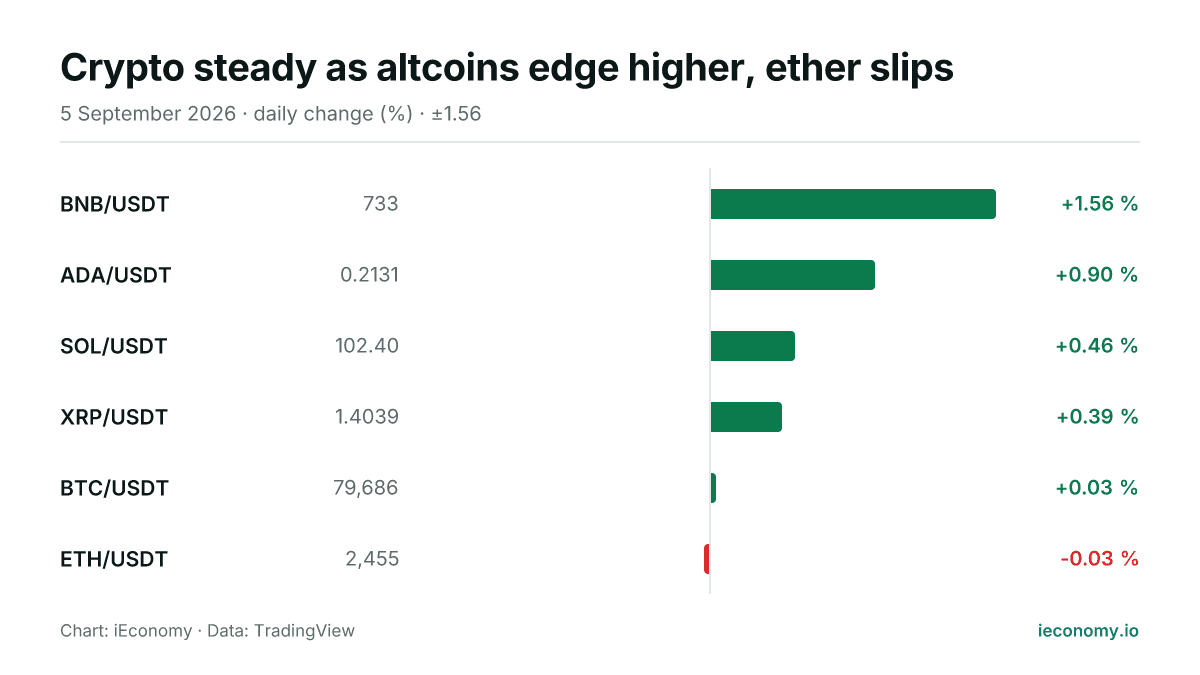
Crypto steady as altcoins edge higher, ether slips
Bitcoin was little changed while most large-cap altcoins posted modest gains on Saturday. Ether eased slightly, leaving the complex with a narrow spread between the strongest and weakest names.
Mirae Asset maps $109B crypto push for Digital X
Mirae Asset is building a digital asset strategy around Digital X, with plans spanning crypto, stablecoins and tokenized assets after taking control of Korbit.
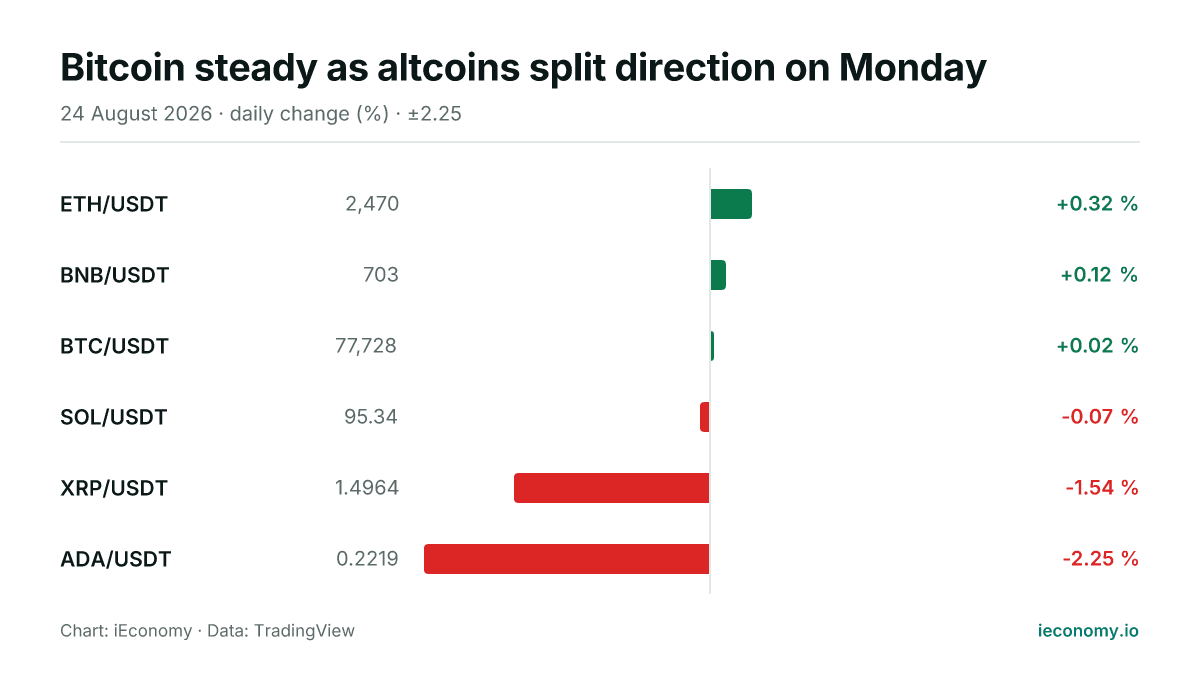
Bitcoin steady as altcoins split direction on Monday
Bitcoin and ether were little changed on Monday, while large-cap altcoins were more mixed. XRP and ADA lagged, keeping the day’s move concentrated in a handful of names rather than the market as a whole.
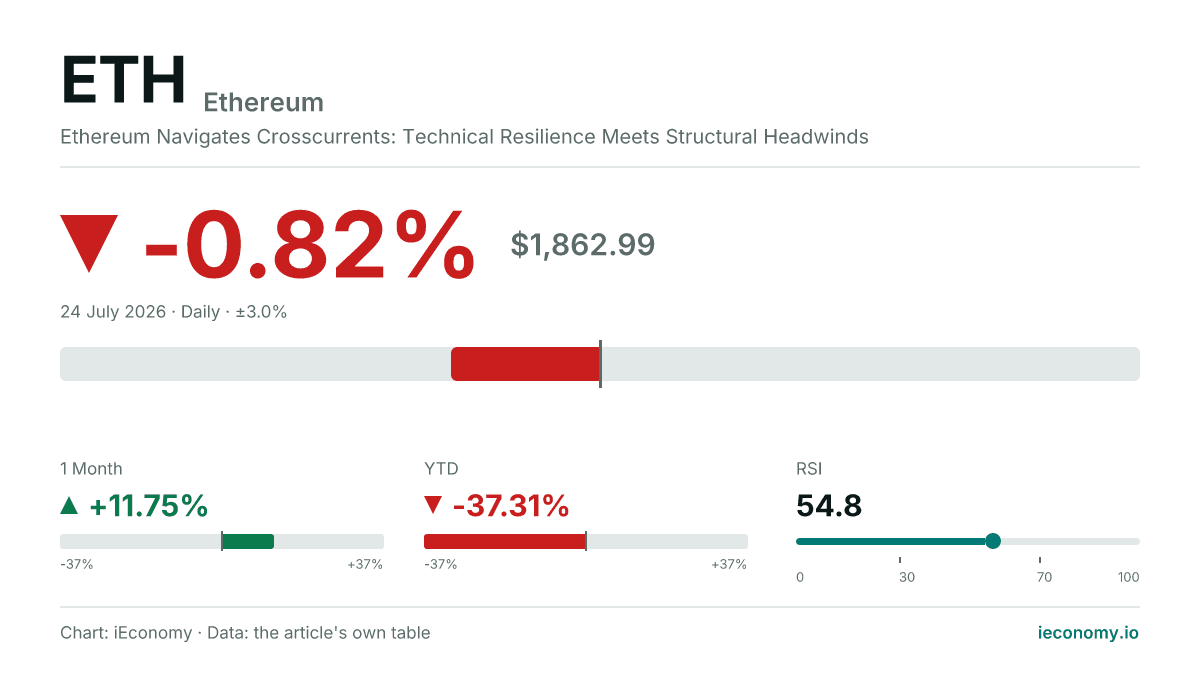
Ethereum Navigates Crosscurrents: Technical Resilience Meets Structural Headwinds
Ethereum exhibits near-term technical stability with a neutral RSI and solid monthly gains, yet remains deeply in negative territory year-to-date. Analysis focuses on the conditional interplay between network fundamentals, macro sentiment, and key technical levels ahead of major protocol developments.

Trump Media cuts Bitcoin stash after another sale
Trump Media transferred 2,628 bitcoin to Crypto.com, trimming its reported holdings to 4,261 BTC after months of sales that have now totaled 7,281 coins.

Bitwise trims 14% of staff as crypto hiring cools
Bitwise has reduced its headcount by about 25 people, or 14%, even as management still expects the business to grow alongside wider crypto adoption.